Temporal Lobe Stock Photos Pictures Royalty Biology Diagrams

Temporal Lobe Stock Photos Pictures Royalty Biology Diagrams Gross anatomy. The temporal lobe is the second largest lobe, after the larger frontal lobe, accounting 22% of the total neocortical volume 6.. The lobe extends superiorly to the Sylvian fissure, and posteriorly to an imaginary line; the lateral parietotemporal line, which separates the temporal lobe from the inferior parietal lobule of the parietal lobe superiorly and the occipital lobe

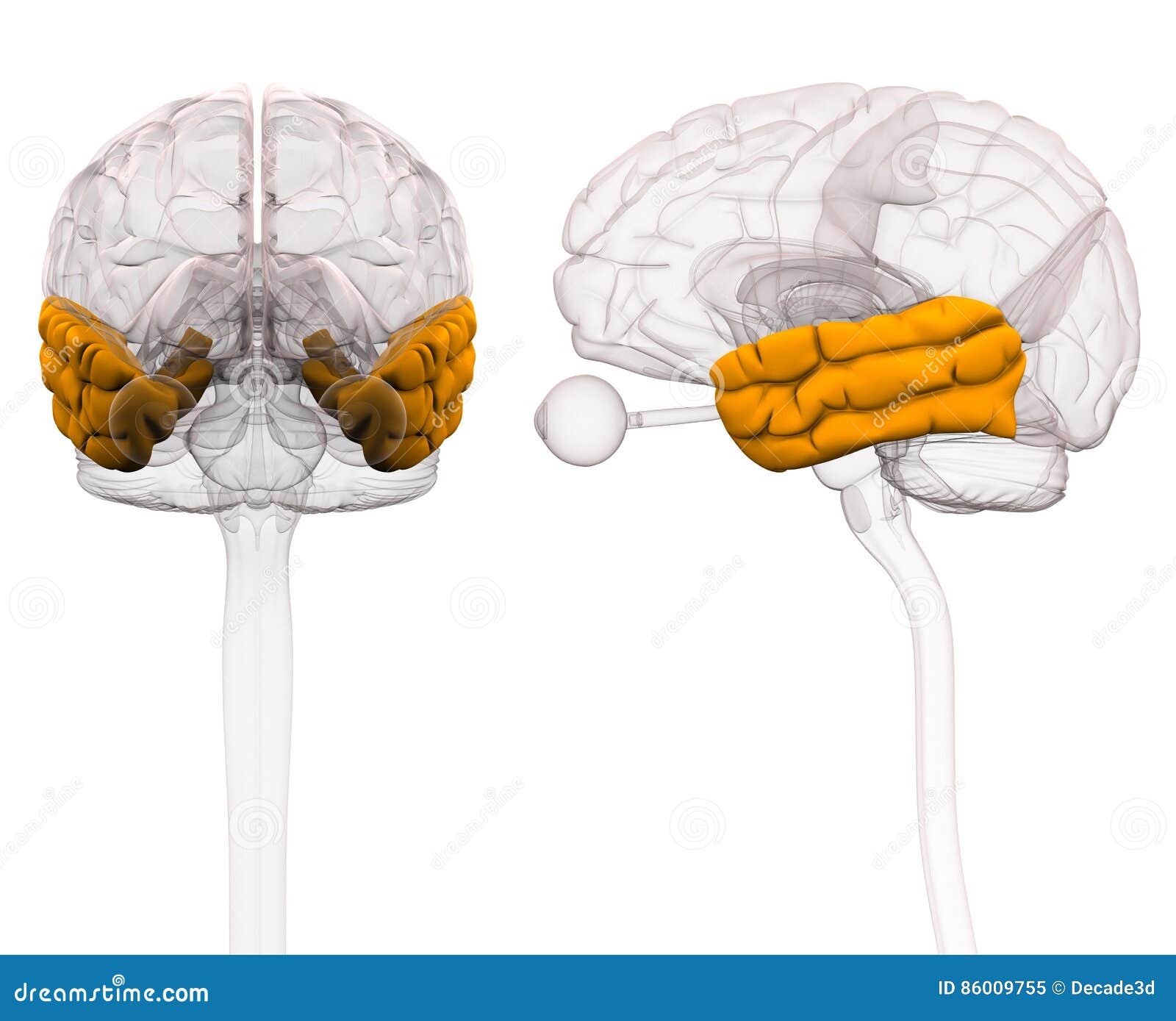
The temporal lobe is one of the four major lobes of the cerebral cortex in the brain of mammals.The temporal lobe is located beneath the lateral fissure on both cerebral hemispheres of the mammalian brain. [3]The temporal lobe is involved in processing sensory input into derived meanings for the appropriate retention of visual memory, language comprehension, and emotion association. Temporal lobe is located on the sides of the head, above the ears. This region is critical for memory, understanding language, and auditory processing. The hippocampus, part of this lobe, plays a major role in forming new memories. How to Identify and Label the Major Brain Structures on a Diagram. First, locate the cerebrum, the largest

Temporal Lobe: What It Is, Function, Location & Damage Biology Diagrams
The temporal lobe is one of the four major lobes of the cerebral cortex. It is the lower lobe of the cortex and has associations with several conditions. Learn more.
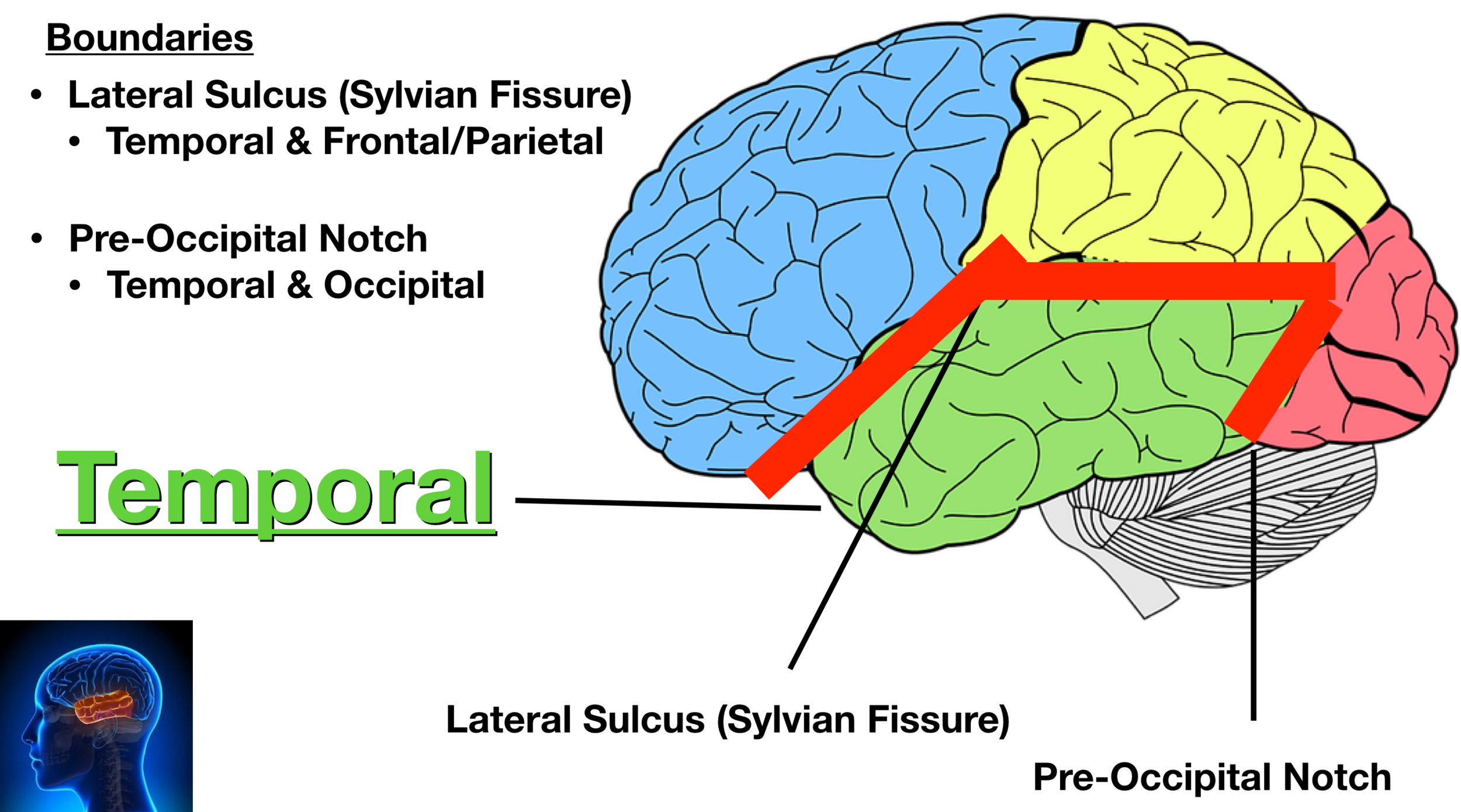
The temporal lobe is visible on the lateral, medial and basal surfaces of the cerebral hemisphere. On the lateral surface, it is demarcated superiorly by the lateral sulcus (or Sylvian fissure) and extends ventrally to the inferior surface of the cerebrum.Posteriorly, the temporal lobe extends to an arbitrary line running between the top of the parietooccipital sulcus and the preoccipital notch.

Temporal lobe: anatomy, functions and location Biology Diagrams
Learn about the temporal lobe, a part of your brain that helps you use your senses, store and retrieve memories, understand language and process emotions. Find out where it is, what it does and what can go wrong with it.